Cohousing examples and resources
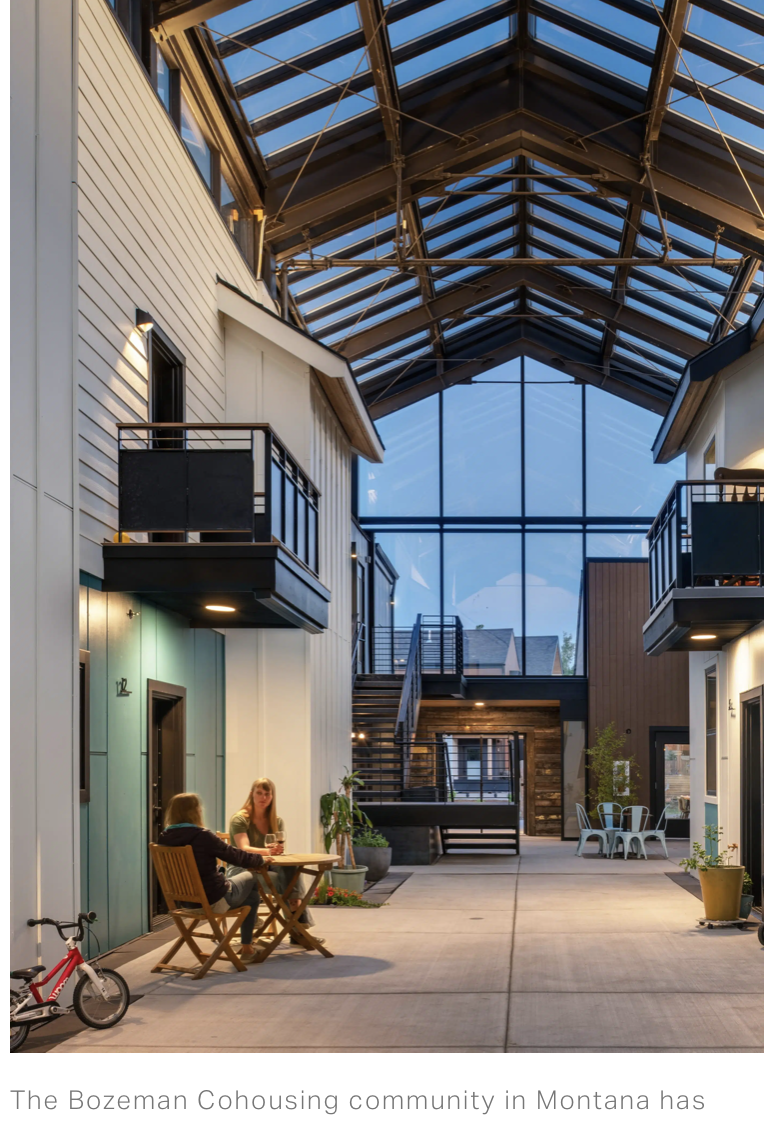
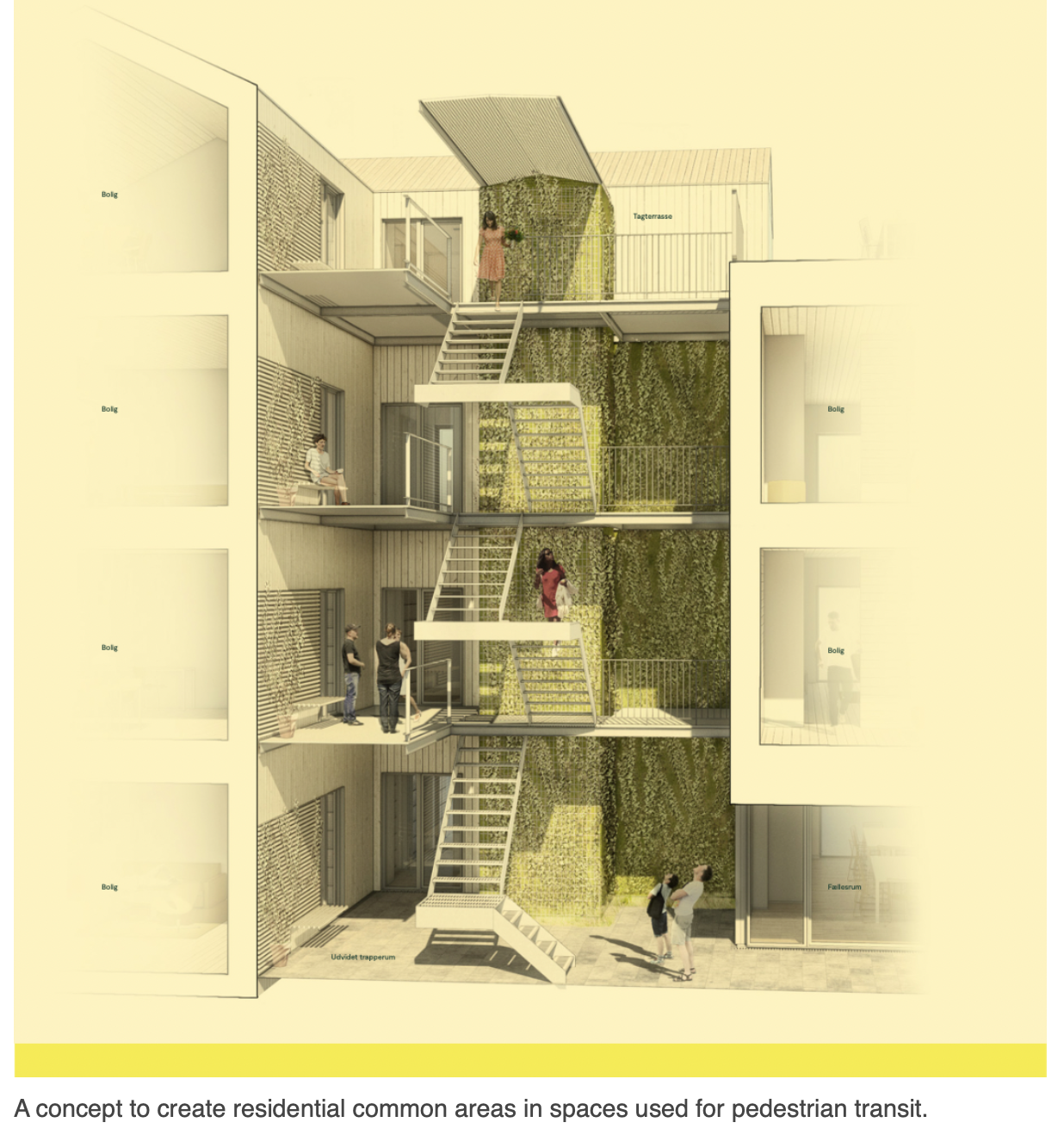
Cohousing takes all forms: existing structures, renovations, new planning and entire communities.
Basically, Cohousing is people with an agreement. Cohousing brings together private homes with shared community spaces. It blends the autonomy of private ownership with the intentionality of collective living. (source: Common House)
MUTUALIZING RESOURCES. Sharing a home means sharing resources, reducing everyone’s ecological impact.
Coliving is more than sharing the same roof, it's a sustainable form of housing in which every resident shares resources such as electricity, gas, water, and appliances. This helps reduce global consumption…effectively reducing your energy consumption and that's just the tip of the iceberg. By increasing the housing density and designing every space more efficiently, our members can afford a home with amazing facilities like a gym, a cinema room, or even a coworking space. (source: COHABS)
People are looking for a connection:
“In nearly every aspect of American life — we are dealing with the progeny of inequality: distrust and loneliness, deteriorating democratic institutions and the rapid decay of a shared identity that once knit us together. This crisis seems to be affecting young people in particular: the generation that came of age in our atomized era, enduring the algorithmic tsunami of social media’s first wave and then navigating the rupture of the Covid-19 pandemic.” (Darren Walker NYT 7/17/26)
CoHousing Examples
-
![]()
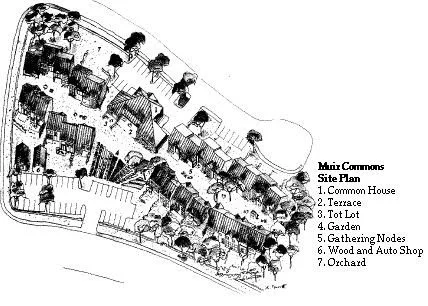
Muir Commons
David, CA, USA
1990. Muir Commons is made up of 26 homes on just under three acres. Each individual house includes a complete kitchen and private yard. Houses come in three models ranging from 808 to 1381 square feet.
-
![]()
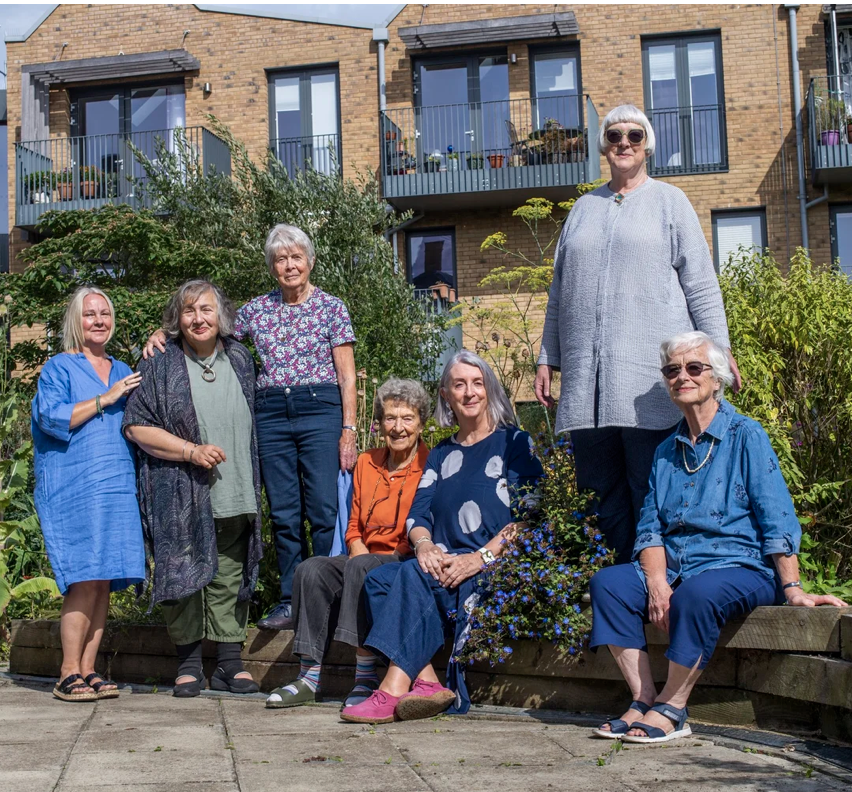
New Ground
London, UK
New Ground housing development is not an old people’s home — the women like to say they“look out for each other, not look after each other”.
21 of the original 26 still live here today. They come from vastly different walks of life but are united by one radical idea: what if we were able to share a home with our friends?
website
-
![]()
COHABS
Multiple Locations: Brussels, Paris, NYC, Madrid, Luxembourg
Founded in 2016 by three Belgian entrepreneurs: Youri Dauber, François Samyn, and Malik Dauber. Cohabs is an integrated coliving platform that both owns and operates its real estate assets.
They provide a comprehensive experience through fully furnished, premium accommodations. The company has a current portfolio of 2000 bedrooms across five cities and a passionate international team of 70+ employees.
-
![]()
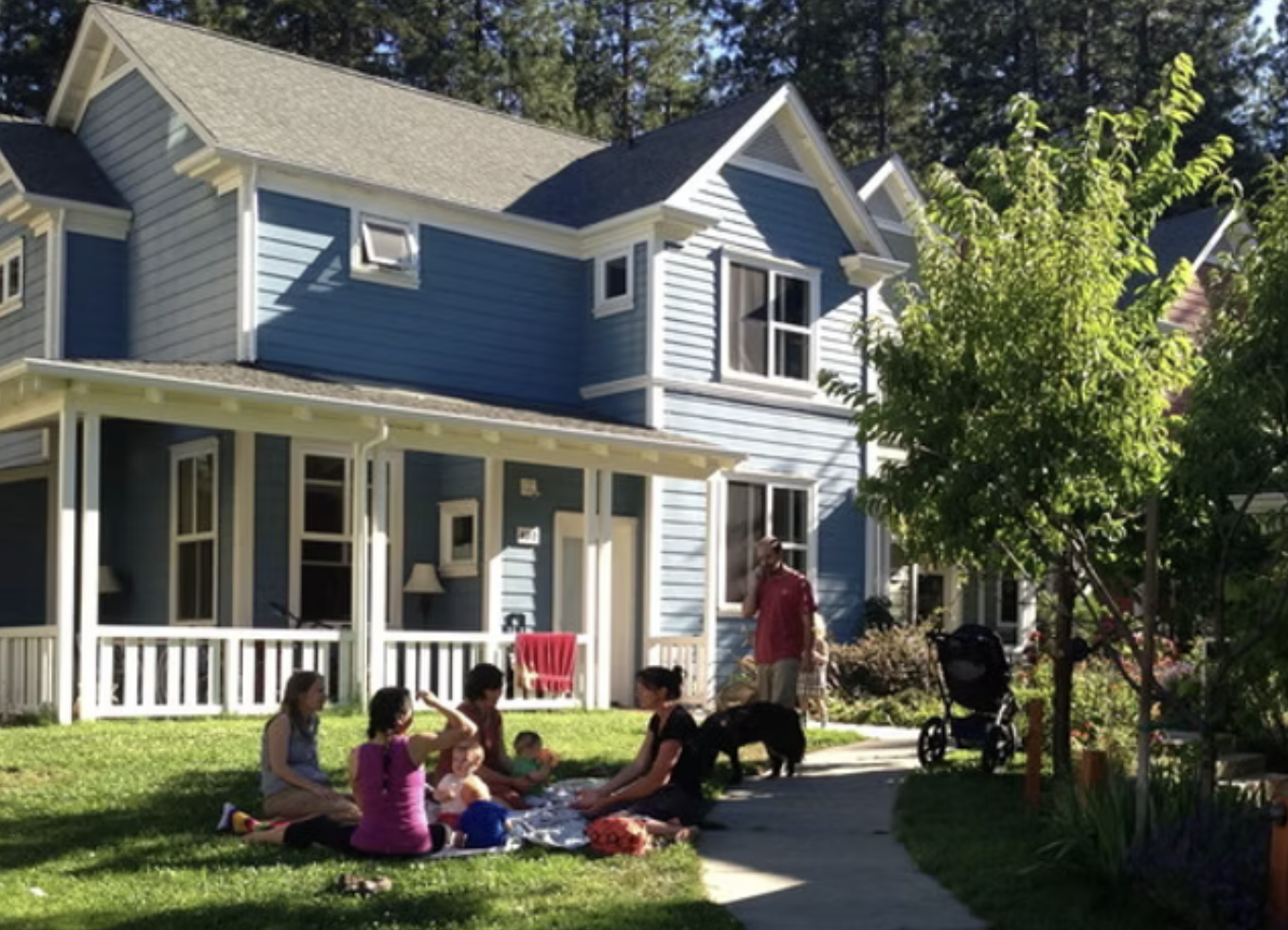
Fair Oaks
Fair Oaks, CA, USA
Fair Oaks EcoHousing offers a balance of privacy and community. EcoHousing, a type of cohousing community with a strong green focus, combines private homes with extensive community facilities to create neighborhoods that address the needs of singles, working parents and seniors.
-
![]()
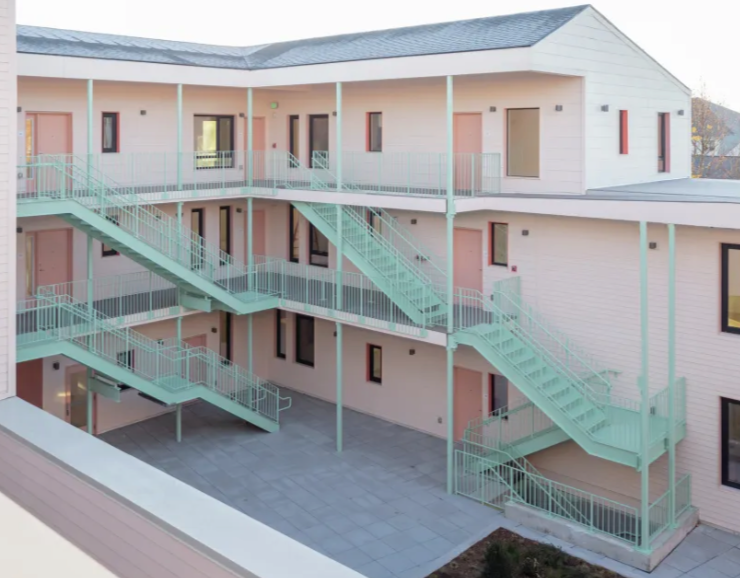
Bay State CoHousing
Boston, MA, USA
Ten years ago, a group of nearly 30 households, comprising millennials, baby boomers, and ages in between, banded together with the goal of funding and creating co-housing for themselves in the Boston area. Now, their dream, Bay State Cohousing, has come to fruition.
-
![]()
The Reserve
New York, NY, USA
Shared Apartment, Private Space: You get your own furnished bedroom plus a fully equipped home — kitchen, living area, laundry, and more. Move-in ready bedrooms in shared luxury apartments. Just bring your suitcase. No need to find roommates.
-
![]()
Bird's Nest
Cumby, TX, USA
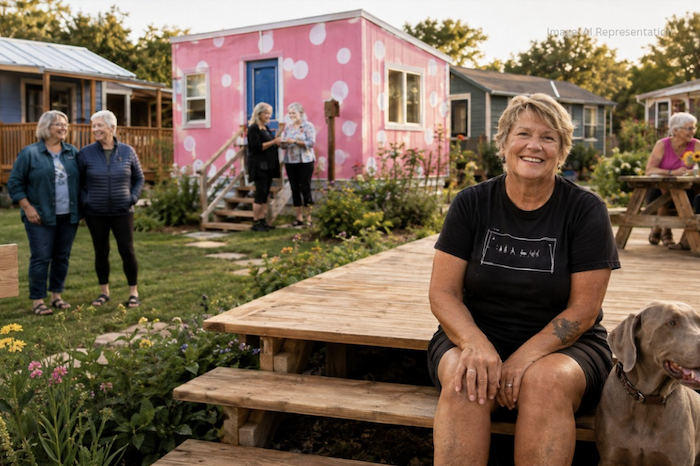
An all-women tiny-home community. It offers affordable housing for women aged 60 to 80.
They live independently but look out for one another; share meals in an outdoor pavilion, drive each other to appointments. A place where they support each other.
-
![]()
Radish Oakland
Oakland, CA, USA
We are 20 adults and 8 kids (all born at Radish) living in a 6-building, 10-home compound in the Temescal/Longfellow neighborhood in Oakland.
Radish is an intentional community for people who believe in the "Obvious Truth" - that we are happiest and healthiest surrounded by people we love and admire. We design our home around the people who make us the best versions of ourselves.



CoHousing Resources
-
![]()
US National Cohousing Alliance
The NCA drives the growth and evolution of cohousing and community-rooted housing in the United States. We expand its societal reach by raising awareness and promoting strategies to create vibrant, sustainable communities that are attainable, inclusive and resilient.
-
![]()
Architect's Journal
Co-housing: we’re all in this together
By Kate Youde, 2018The growing housing model involves residents creating a community of self-contained homes with shared spaces such as a common house, guest room for visitors, garden and laundry.
-
![]()
Happy Together
Lonely baby boomers turn to co-housing.
By Anna Leach, 2018, The GuardianFor older people, co-housing offers a sense of community without losing independence. The four-storey complex of 41 units is designed to foster a sense of community. Apartment windows face each other and walkways create a visible sense of life and movement. ‘It is an incredible feeling of security, safety and peacefulness.’
-
![]()
TedTalk
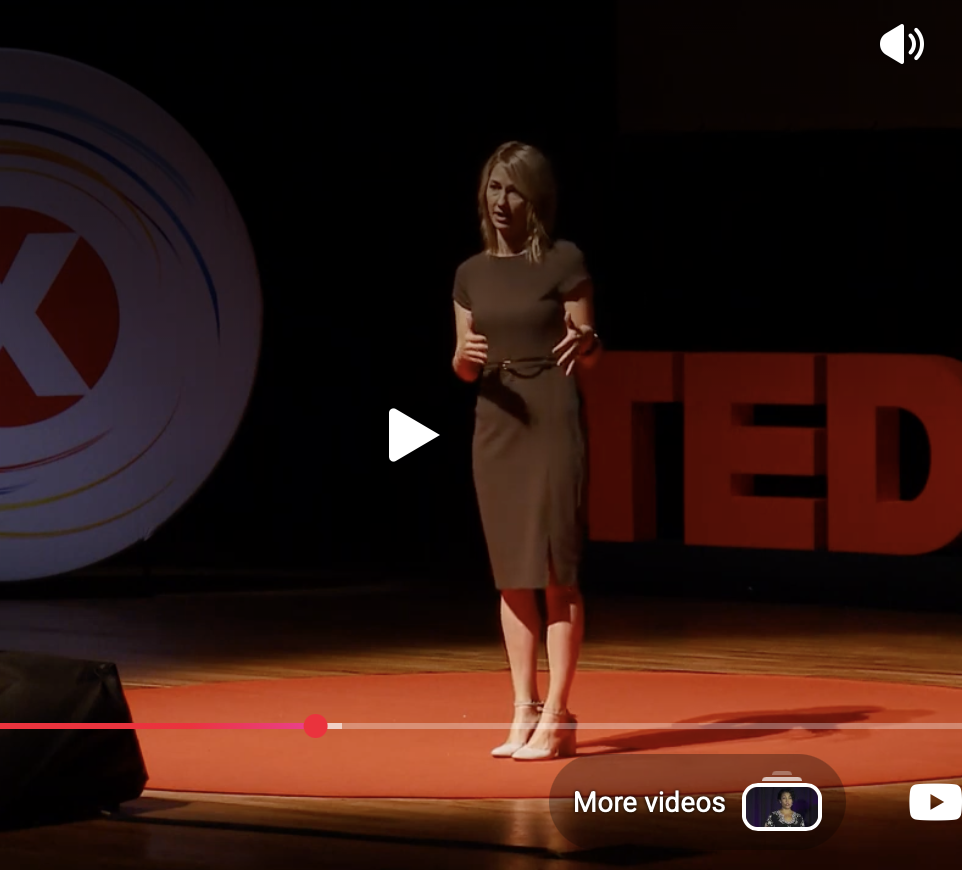
Cohousing: The Future of Community and Human Connection. By Trish Becker-Hafnor, 2019
Fueled by her own suburban loneliness and a desire for community, Trish became a founder of Denver’s newest cohousing community. She believes that we are most alive when we are connected, and that intergenerational communal living offers an alternative to our increasingly isolated world.
-
![]()
Shelterforce
CoHousing promises lower costs. Why hasn’t it worked in the US?
Steve Dubb, March 2026From shared meals to shared tools, cohousing offers a vision of lower-cost, community-centered living. While that vision is taking hold in the UK, communities in the US face barriers that drive up costs and limit who can participate.
-
![]()
Oregon Arts Watch
Imported from Denmark: co-housing as community building. By Brian Libby, March 2025
The term “co-housing” was coined and where the concept first proliferated. The term denotes a community-oriented multifamily housing model in which residents live in private dwellings but share larger communal living spaces such as kitchens, gathering spaces and greenspace.
-
![Intergenerational meal]()
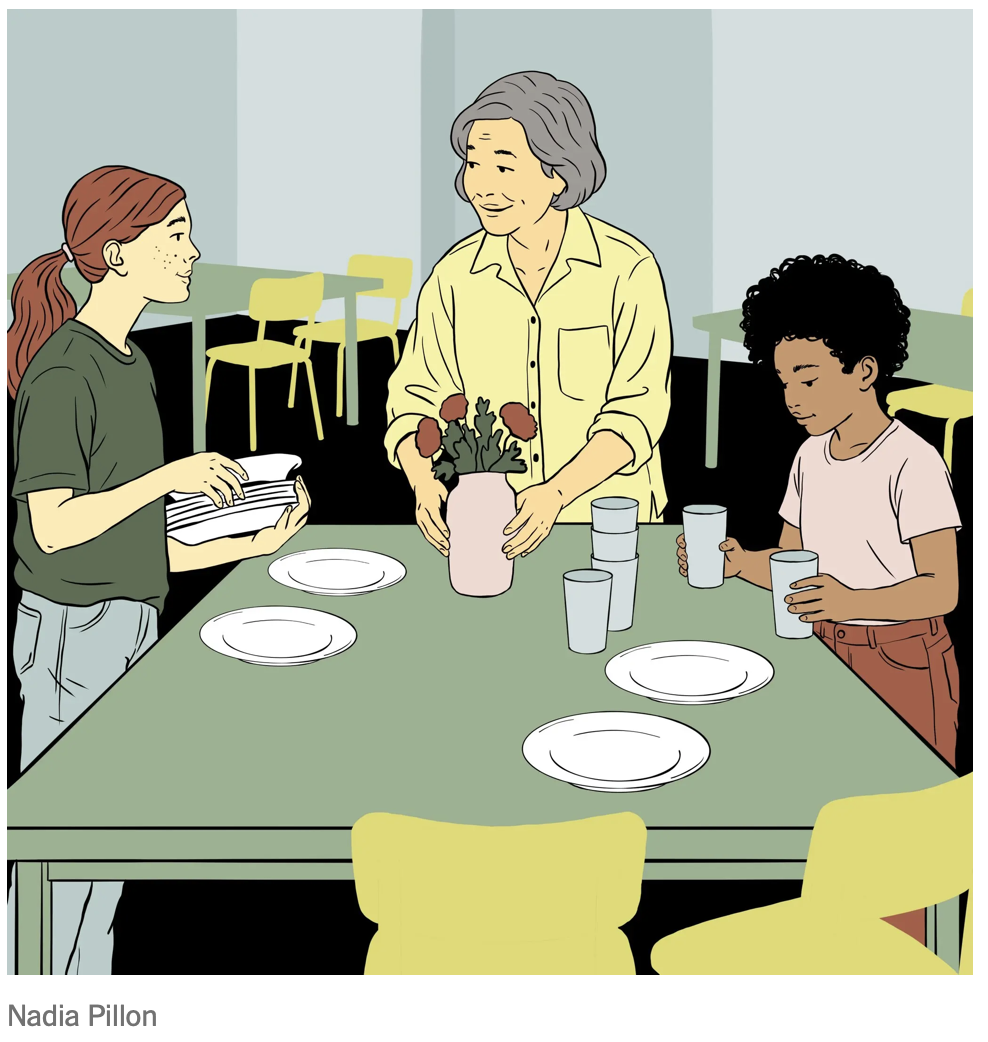
When Older Adults Choose Life Among the Young
(G)aining in popularity as a way for older adults to thrive in retirement and younger people to learn from those with more experience.
“It’s living in an engaged, less socially isolated way,” said Matthew Kaplan, a professor of intergenerational programs and aging at Pennsylvania State University.
-
![]()
Community as an Amenity
“Developers are inverting the ideas of privacy and abundant space that had once been the suburban ideals and repackaging them as antidotes to suburban ills like loneliness and isolation.”
“While many developments prohibit people from having businesses in their homes, for instance, Indigo encourages them."
“Living near people is hard, in Indigo and everywhere else. Indeed, one of the biggest problems with suburban life, Mr. Snodgrass said, is that people have forgotten how to resolve their problems on their own and instead outsource their issues to a homeowners’ association….we will know things are working when people can resolve these problems without support from an HOA. It’s messy, but we’re here for it.”




Example of CoHousing Rules
Quiet Hours and Noise
Quiet hours: 10 PM to 8 AM on weekdays, 11 PM to 9 AM on weekendsUse headphones for music, videos, and calls during quiet hoursBedrooms are private spaces - knock before entering someone's roomVideo calls should be taken in designated areas, not shared living spaces (during work hours)
Kitchen and Common Areas
Clean dishes, pots, and utensils within 30 minutes of useLabel personal food with your name. Unlabeled items in the fridge for more than 7 days will be discardedWipe down counters and stovetop after cookingTake out trash and recycling when bins are full (do not wait for someone else)Shared condiments and pantry items are communal - replace what you finish
Guests
Overnight guests are welcome up to 3 nights per month. Inform the community manager in advanceGuests must follow all house rulesYou are responsible for your guests' behaviorNo unauthorized subletting or sharing of access codes
Shared Spaces
Shoes off in common areas (provide a shoe rack at the entrance)Personal items should not be left in common areas overnightLaundry must be removed from machines within 1 hour of cycle completionShared bathroom areas should be left clean after each use
Community Expectations
Introduce yourself to new residents within their first weekRSVP for community events if requested (so we can plan food and supplies)Raise concerns directly with the person involved first, then with the community managerRespect privacy - what is shared in community spaces stays in the community
ENFORCEMENT: Rules without enforcement are just suggestions. But heavy-handed enforcement destroys community trust. Here is the balanced approach:
Tier 1: Gentle Reminder (First occurrence)
A private, friendly conversation. "Hey, I noticed the dishes from last night were still in the sink this morning. Could you make sure to clean up after cooking? Thanks!"
Tier 2: Formal Reminder (Second occurrence)
A written message (text or email) documenting the issue. "This is a friendly reminder about our kitchen cleanliness rule. This is the second time we have discussed this."
Tier 3: Community Manager Meeting (Third occurrence) A sit-down conversation about the pattern and its impact on the community. Agree on specific actions going forward.
Tier 4: Written Warning (Persistent issues) A formal written warning that becomes part of the resident's file. Clearly state consequences of continued violations.
Tier 5: Lease Termination (Extreme cases) Reserved for serious or persistent rule violations after all other steps have been exhausted. Always follow local tenant protection laws.
Key Principle: 95% of issues should be resolved at Tier 1. If you are regularly reaching Tier 3+, the problem is likely systemic (poor resident screening, unclear rules, or inadequate community management) rather than individual.